Identifying faults, output losses and hotspots down to the individual solar cell — with a complete, clear, actionable report. No physical contact, no dismantling and no system shutdown.
Many solar systems lose output over time due to sub-surface faults that are invisible to the eye — and do not always appear in the monitoring system.
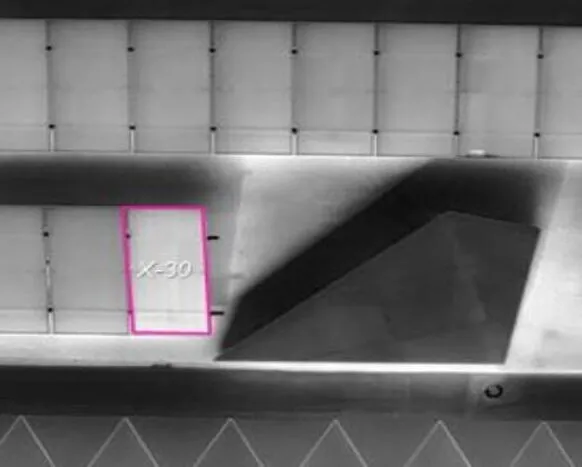
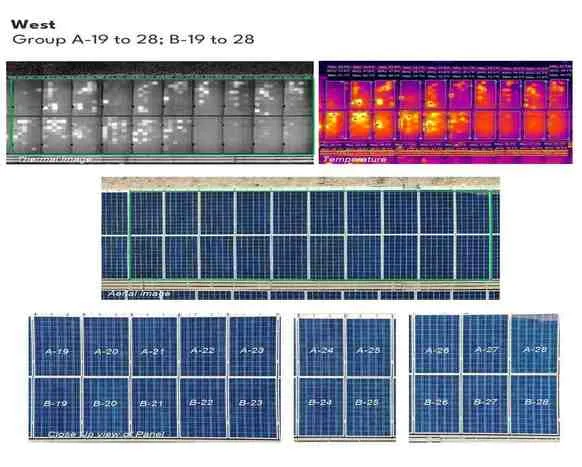
Aerial thermal imaging provides an immediate picture of the system and identifies defects down to individual cell level. The inspection is carried out with no physical contact with the equipment, no dismantling and no system shutdown.
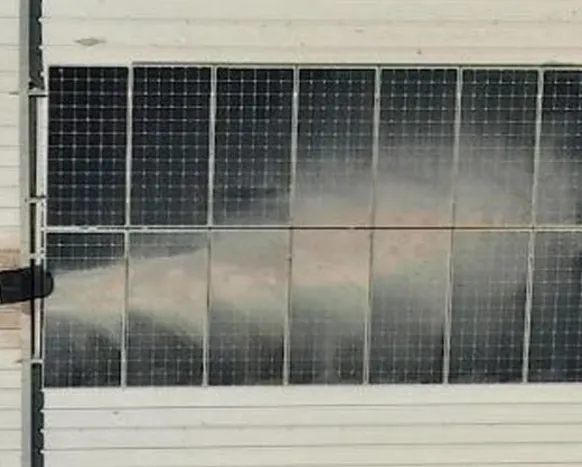
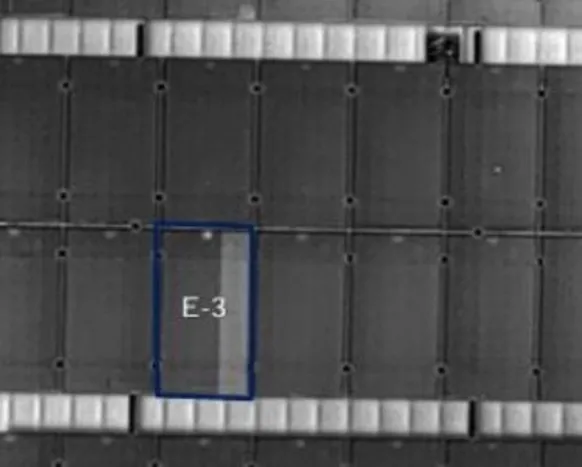
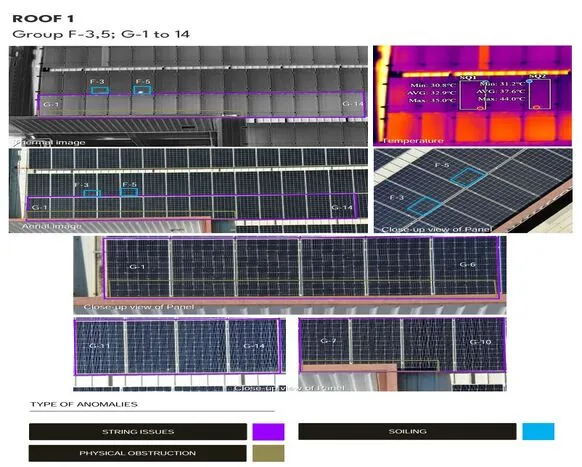
Defined in advance — no “we’ll see later” and no surprises.
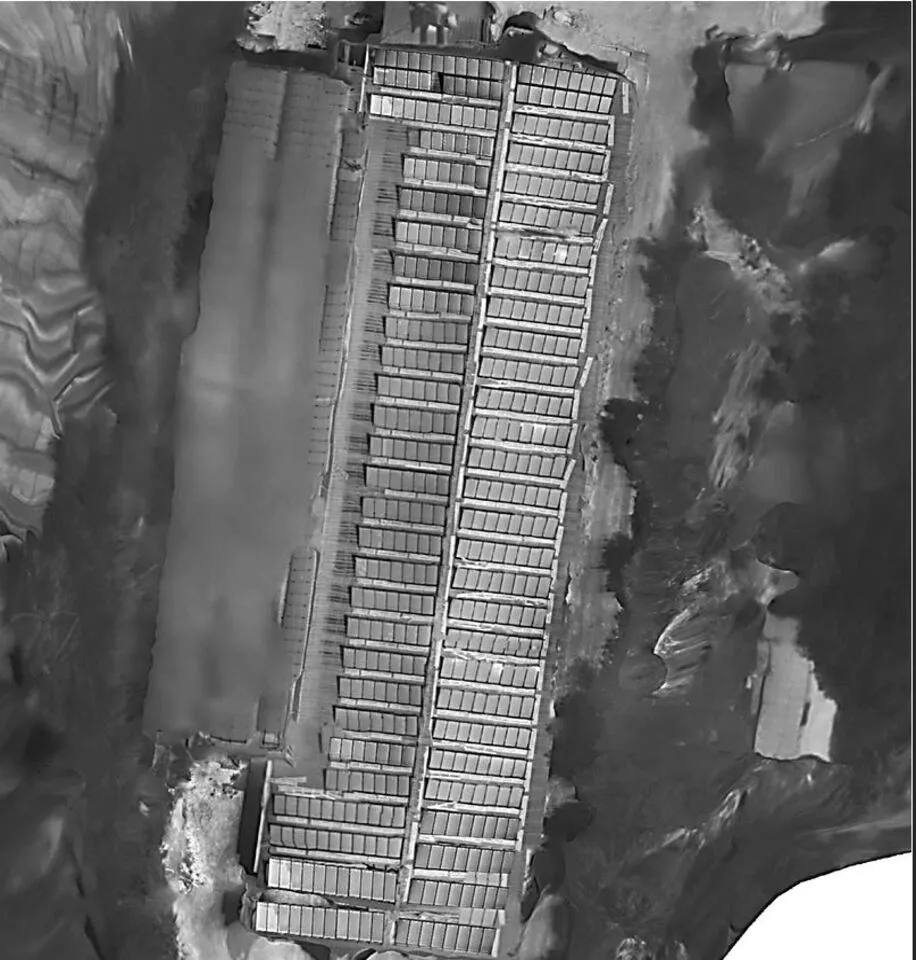
Including systematic flight in accordance with international inspection standards.
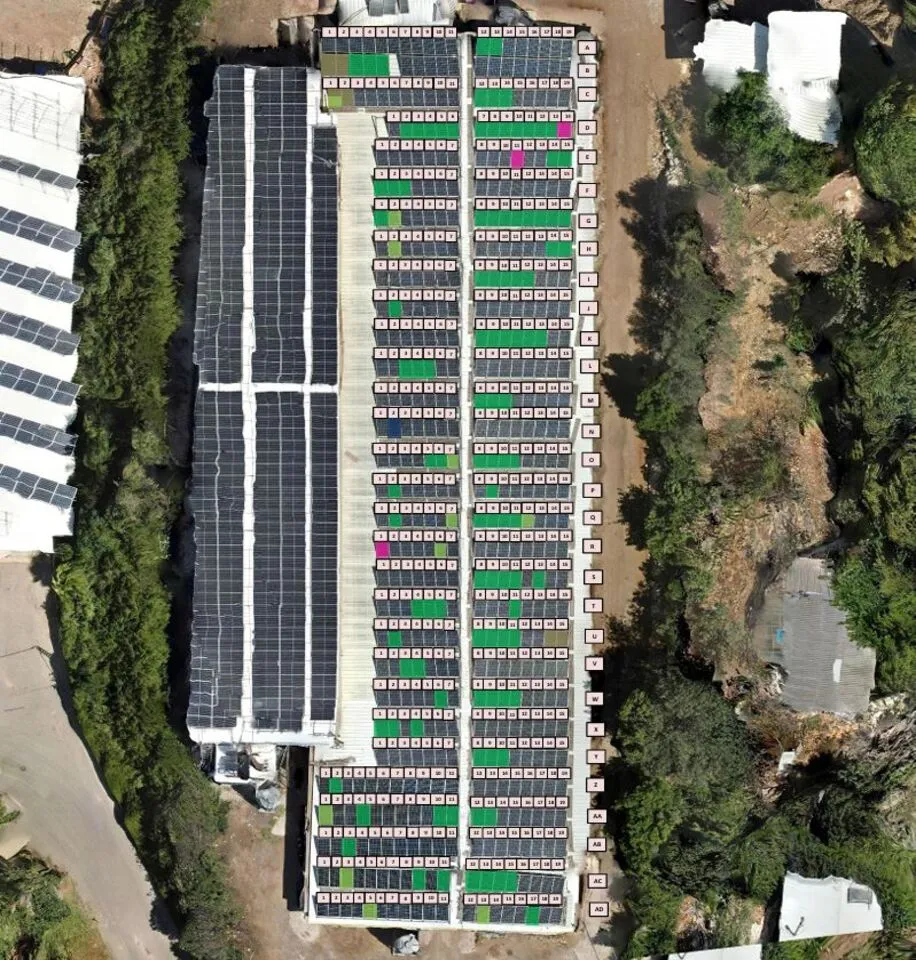
Including images, fault mapping, marked issues, technical explanation and treatment recommendations.
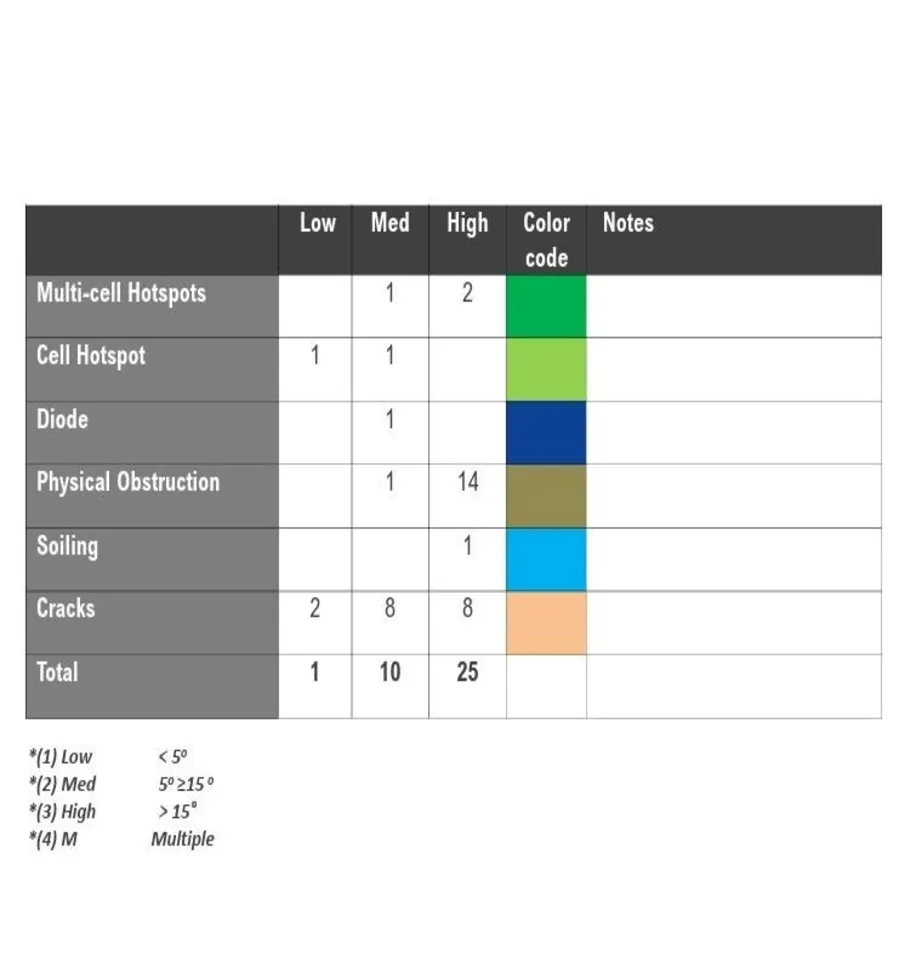
Classification by urgency allows correct prioritisation of repairs.
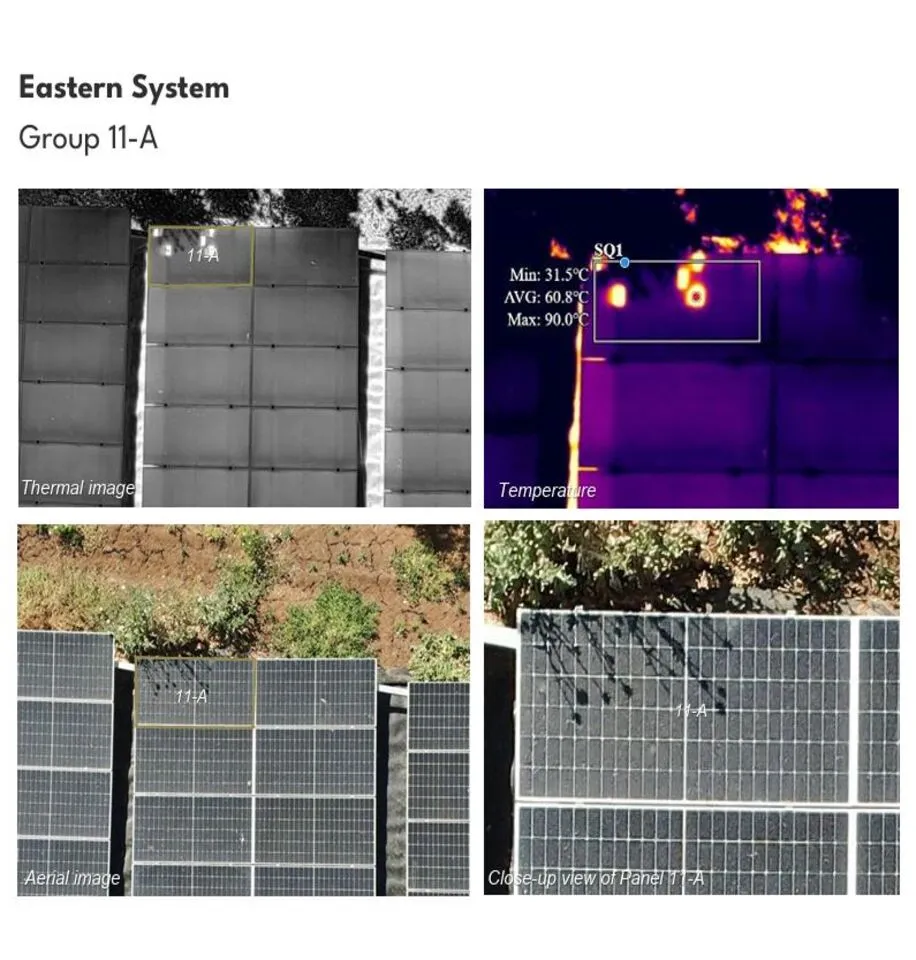
Identification and classification according to fault type and severity.
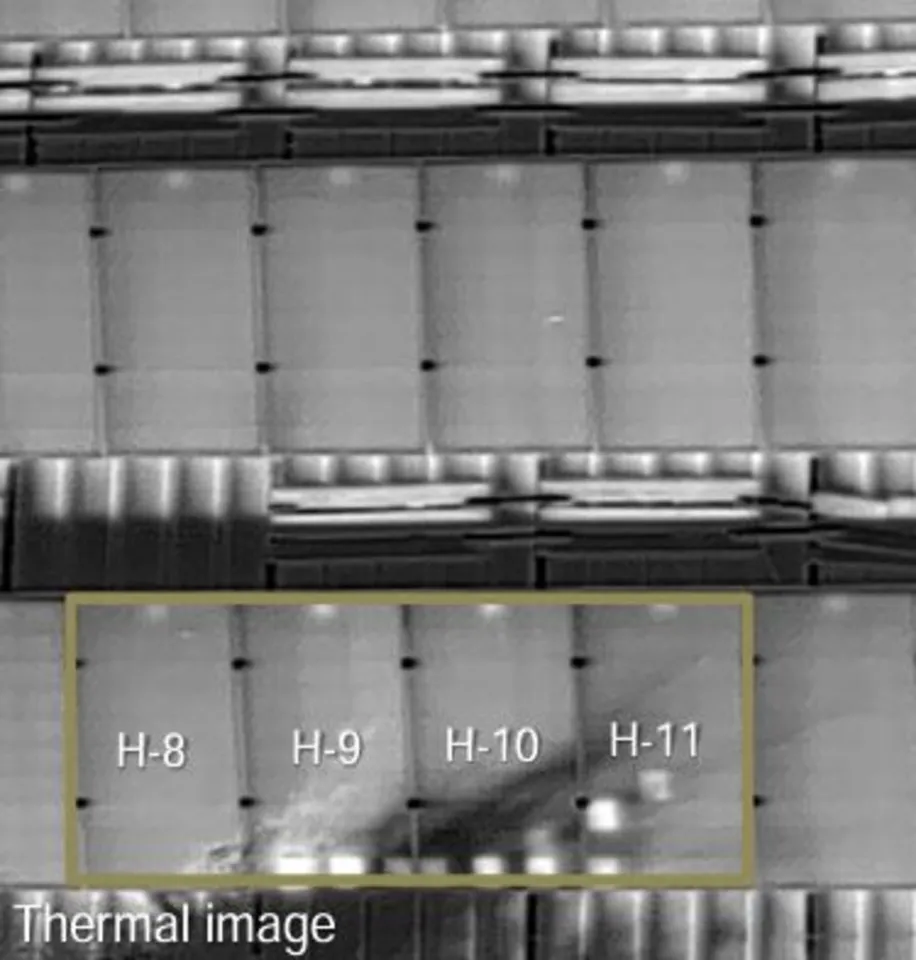
Exposed cables, loose elements, areas with problematic shading and more.
A short flight and a quick processing cycle deliver findings within a short time.
Among the most advanced thermal cameras on the market, combined with a carefully controlled flight technique.
Our team has undergone dedicated training, including courses in thermographic analysis, and has analysed dozens of solar systems.
If you wish, we translate the report's findings into an upgrade or replacement design.
We carry out thermal inspection of solar systems throughout Israel, including large installations in outlying regions — the Arava, the Negev, the Jordan Valley and the north, as well as rooftop systems in the centre and the Sharon.
An actionable report that lets you prioritise repairs by severity instead of guessing.
A condition check before the manufacturer's warranty expires, while it can still be claimed.
Periodic inspection across an entire portfolio, with orderly documentation for each site.
A genuine condition assessment before a purchase or an investment in an operating installation.
Comprehensive thermal analysis of a 7 MW solar system. A project that demonstrates the advantage of aerial scanning across large areas, where manual ground inspection is not practical.
Thermal analysis of a solar system mounted over poultry houses — a site with restricted access where ground-based inspection is particularly difficult.
A short call in which we understand the site, the scope of the project and your timeline — from there we know exactly what is required.
The number of panels and the area to be scanned.
Inspecting several installations on the same trip reduces the cost per site.
A basic report versus a full report including a severity index and fault classification by type.
An ongoing arrangement allows different terms from a single inspection.
No two sites are the same, so every project starts with a short call to understand the site and the requirements. From there we know exactly what is needed and when it will reach you.
A ground-based camera is limited in angle and coverage. A drone gives full, clear coverage of every panel, from several heights and resolutions, and covers wide areas far faster than a manual ground scan.
No, quite the opposite. The inspection is carried out while the system is active and at full output.
Usually 15–40 minutes, depending on site size.
Fault identification, severity of issues, exact location and recommendations for action.
On acceptance of a new system, before the warranty period expires, periodically for commercial systems, and whenever output is lower than expected.
2–5 business days.
A full report includes a Severity Index and fault classification by type, which allows repairs to be prioritised by urgency rather than tackled all at once.
We specialise in detection and reporting. If you wish, we can translate the report's findings into an upgrade or replacement design.
The same team, the same site visit, the same point of contact — with no handovers between suppliers.